













In the rapidly evolving world of digital marketing, staying ahead of the curve is essential for businesses and advertisers aiming to maximize their online presence and conversions. Google Ads, one of the most powerful advertising platforms, is undergoing significant transformations driven by advancements in artificial intelligence (AI), automation, and innovative campaign types like Performance Max. At Owls Digital, we understand the importance of leveraging these cutting-edge tools to help businesses thrive in the competitive online landscape.
Embracing the Future of Google Ads
The future of Google Ads is shaped by the integration of AI and automation technologies designed to optimize ad performance, improve targeting, and deliver better return on investment (ROI). These changes are not just incremental updates but represent a fundamental shift in how advertisers create, manage, and measure their campaigns.
AI-Powered Advertising: Smarter Campaigns for Better Results
Google AI plays a pivotal role in the future of Google Ads by enabling smarter, data-driven campaign management. AI algorithms analyze vast amounts of data in real-time to identify potential customers, determine the optimal bid, and place ads across multiple channels such as Google Search, YouTube, Display, Discover, Gmail, and Maps. This comprehensive reach ensures that businesses can connect with their audience wherever they browse, watch, or search.
One of the standout features powered by Google AI is Smart Bidding. This automated bidding strategy uses machine learning to optimize bids for each auction, maximizing conversions or conversion value based on the advertiser’s goals. By continuously learning from performance data, Smart Bidding adjusts bids dynamically to ensure ads are shown to users most likely to take desired actions, such as making a purchase or submitting a lead form.
Performance Max Campaigns: Unlocking Full Google Inventory
Performance Max campaigns represent the next evolution in Google Ads, offering advertisers a unified campaign type that accesses all Google Ads inventory from a single campaign. This means your ads can appear across Search, YouTube, Display, Discover, Gmail, and Maps without managing separate campaigns for each channel.
Performance Max leverages Google AI and automation to optimize every aspect of your campaign—from creative asset selection to audience targeting and bidding. Advertisers provide high-quality images, videos, and text assets along with audience signals, and Google AI tests various combinations to find what resonates best with potential customers. This approach maximizes conversions and conversion value while providing rich insights to refine your strategy.
Automation: Streamlining Campaign Management
Automation is transforming the way advertisers manage their Google Ads campaigns by reducing manual tasks and enabling real-time optimization. Features like auto-generated videos and text customization help create dynamic ads that adapt to user intent and behaviour. Additionally, automated budget optimization ensures that your ad spend is allocated efficiently across channels and placements to maximize ROI.
For example, if certain keywords or placements are underperforming, automation can shift budget and bids toward higher-performing segments without requiring constant manual intervention. This allows advertisers to focus more on strategic decisions and creative development rather than day-to-day campaign adjustments.
Related Article: What is the Difference Between SEO and PPC Marketing?
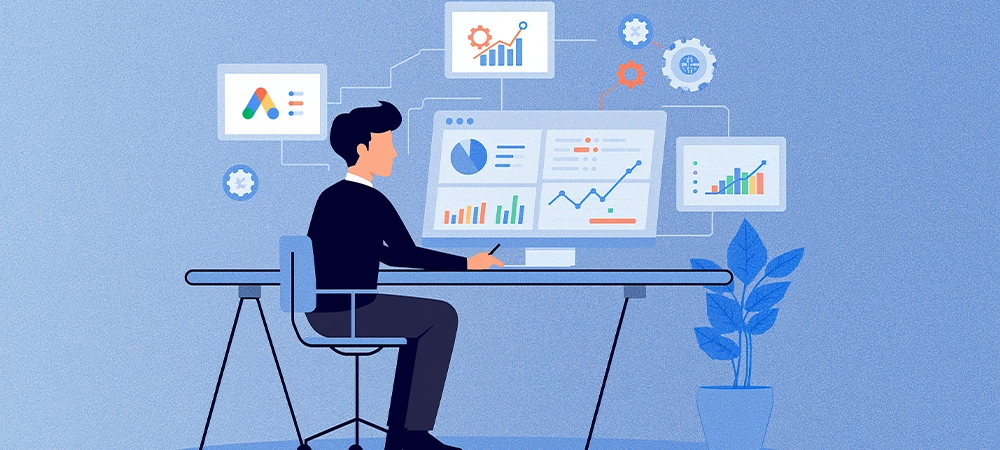
Key Trends Shaping the Future of Google Ads
Several emerging trends are driving the future of Google Ads, and understanding these can help businesses and advertisers prepare for what’s next.
1. Generative Experience Optimization (GEO)
GEO is an innovative approach that optimizes digital content for visibility in AI-powered generative search engines like Google’s Gemini, ChatGPT, and Microsoft’s Copilot. As more consumers turn to AI-driven search solutions, advertisers will need to adapt their strategies to appear in AI-generated responses, making ads feel less intrusive and more like helpful suggestions.
2. Immersive and Interactive Ad Formats
Augmented Reality (AR) and 3D product displays are becoming integral to Google Ads, offering immersive experiences that engage consumers more deeply. Features such as virtual try-ons for beauty and apparel products or 360-degree product views help customers make confident purchasing decisions and increase ad effectiveness.
3. Increased Use of Voice Search
With the rise of mobile internet usage and voice assistants, voice search is influencing Google Ads strategies. Optimizing ad content and websites for voice queries and mobile devices ensures that businesses capture this growing segment of search traffic.
4. Enhanced Audience Targeting and Data Integration
Google Ads is increasingly integrating customer data from various sources, including shopping history, website interactions, and CRM systems, to refine audience targeting. This data-driven approach allows for more precise bidding and ad placements, improving campaign performance.
5. Flexible Shopping and Local Inventory Ads
Features like “Pick up Later” options in Local Inventory Ads provide consumers with flexible shopping experiences by showcasing product availability and pickup options in nearby stores. This trend caters to the demand for convenience and immediacy in retail.
Related Article: What is AEO Marketing?
How Owls Digital Can Help You Navigate the Future of Google Ads
At Owls Digital, we specialize in harnessing the power of AI, automation, and Performance Max campaigns to deliver exceptional results for our clients. Our expert team stays updated with the latest Google Ads trends and technologies to craft tailored strategies that meet your business goals.
We assist you in:
- Defining clear advertising objectives and conversion goals
- Creating high-quality creative assets optimized for multiple channels
- Leveraging audience signals and customer data for precise targeting
- Implementing Smart Bidding and automation to maximize conversions and ROI
- Monitoring campaign performance and providing actionable insights for continuous improvement